
Elevate your bathroom experience with sustainable tips and expert guidance at PureBathBliss.com.
Latest Articles
Wellness and Purity

Most Halloween bath bombs in stores contain synthetic dyes, artificial fragrance, and sulfates that irritate kids' skin. Making your own takes about thirty minutes, costs under $2 per bomb, and lets kids help with the whole process. Here are three spooky recipes using only natural colorants and essential oils that actually smell amazing.
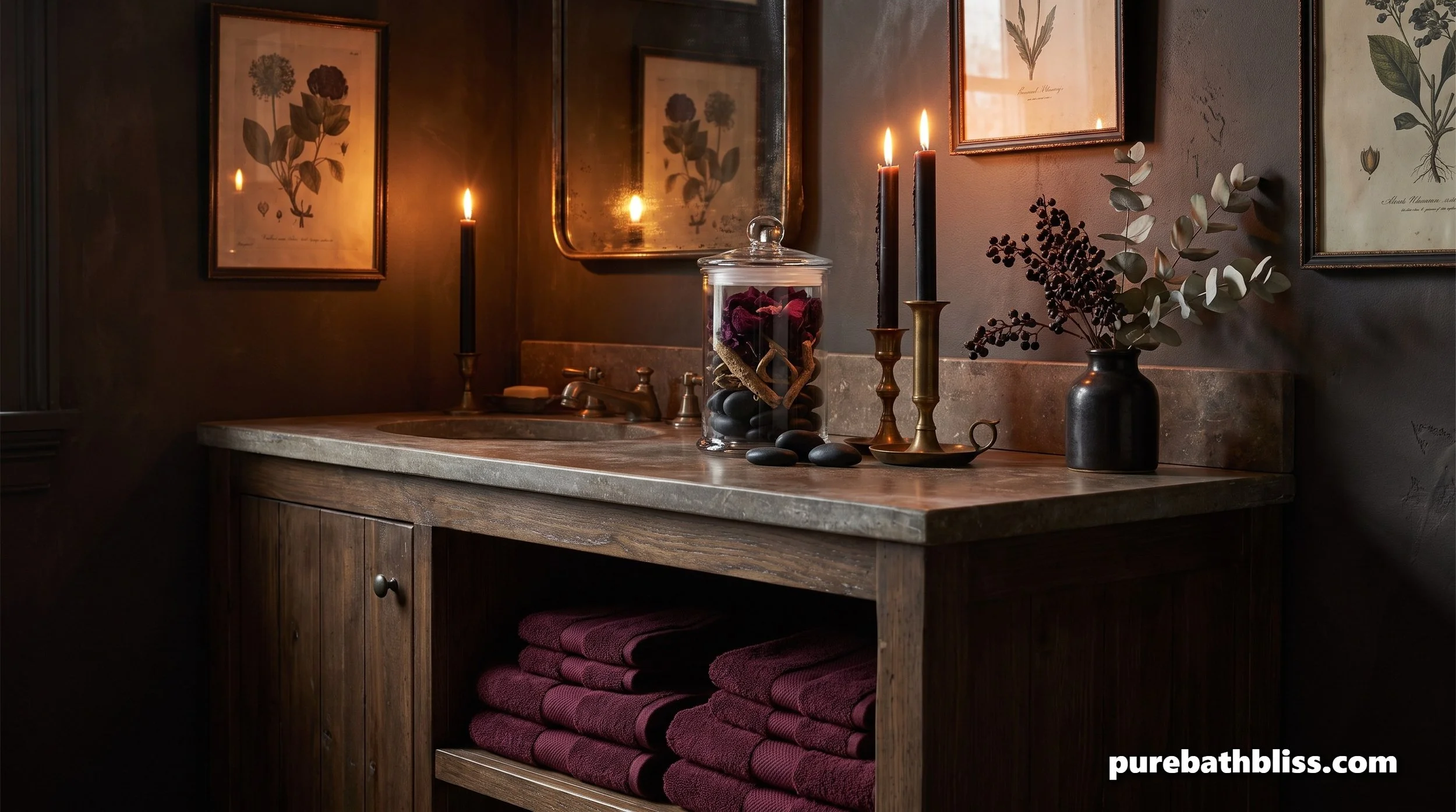
Most Halloween bathroom decor involves cheap plastic that looks good in a photo and terrible in person, synthetic fragrance candles that fill a small room with VOCs, and fake cobwebs that take forty minutes to remove. This guide covers the elegant, non-toxic approach that looks genuinely spooky, costs less, and leaves nothing behind in November that you regret buying.
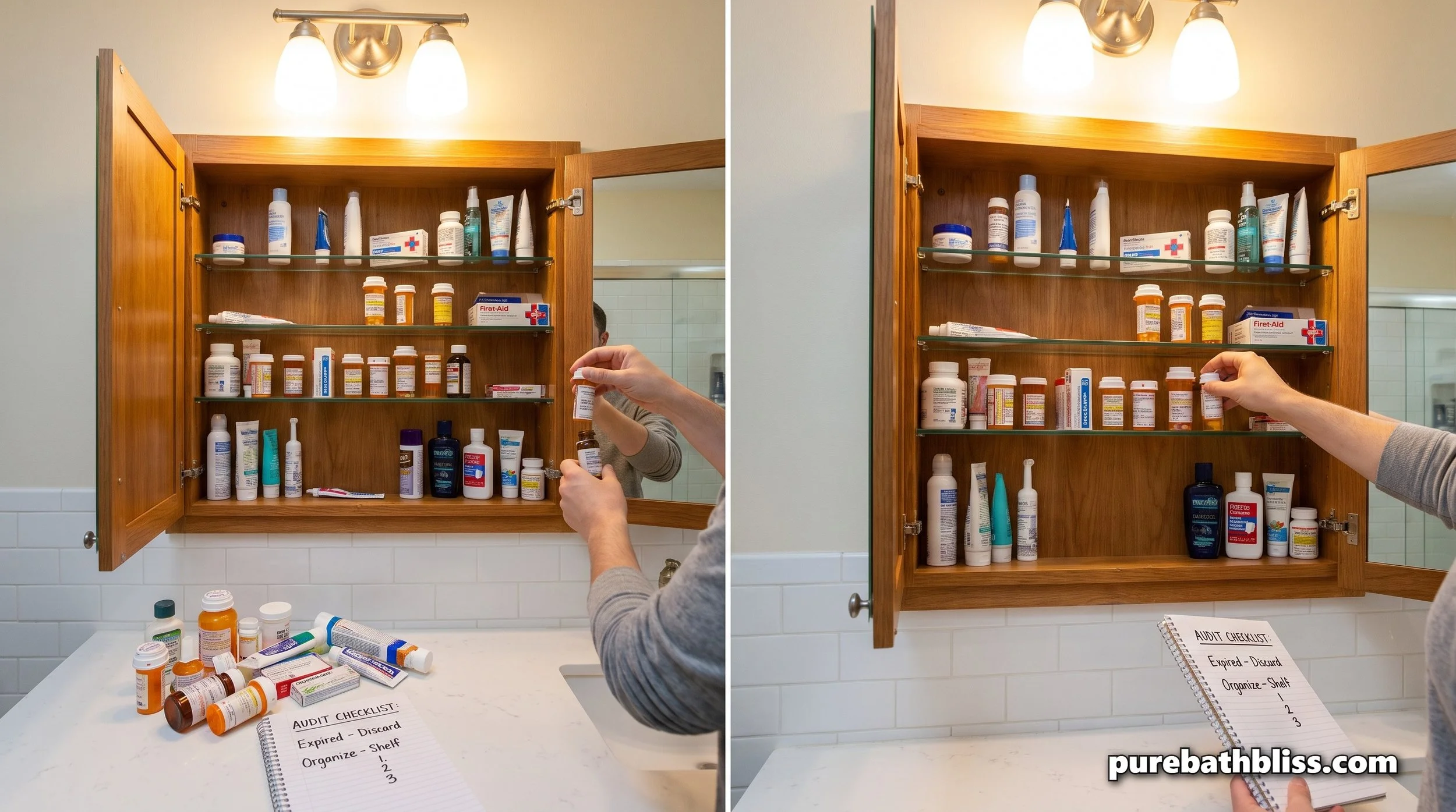
The worst time to discover your children's fever reducer expired eight months ago is at two in the morning when someone has a temperature of 39 degrees. October is the right time to do the medicine cabinet audit, before the first illness of the season rather than during it. Here is the complete checklist for what to check, what to discard, and what to have on hand before November arrives.
The bathroom is the easiest room in the house to refresh seasonally because almost everything in it is removable and replaceable. Towels, scent, lighting, plants, textiles — swap five or six of these and the room feels genuinely different without touching a single fixture. Here are eight specific changes worth making as summer ends and the nesting instinct kicks in.
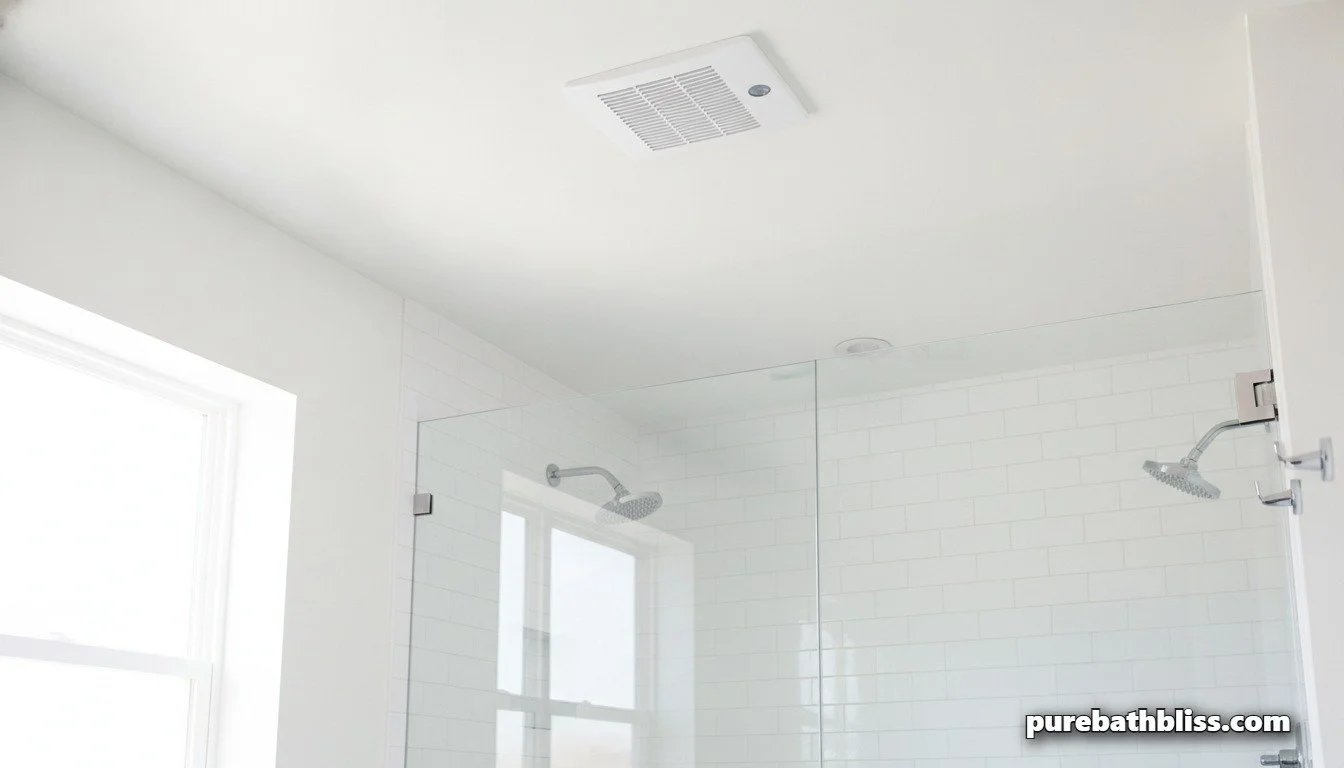
Most bathroom exhaust fans run on a wall switch or a timer, which means they stop when you decide rather than when the moisture is actually gone. A humidity-sensing fan runs automatically when steam rises and keeps running until the air is genuinely dry. That difference is the reason some bathrooms develop mold and others do not. Here is the complete guide to how they work, what to look for, and the three best options at every price point.
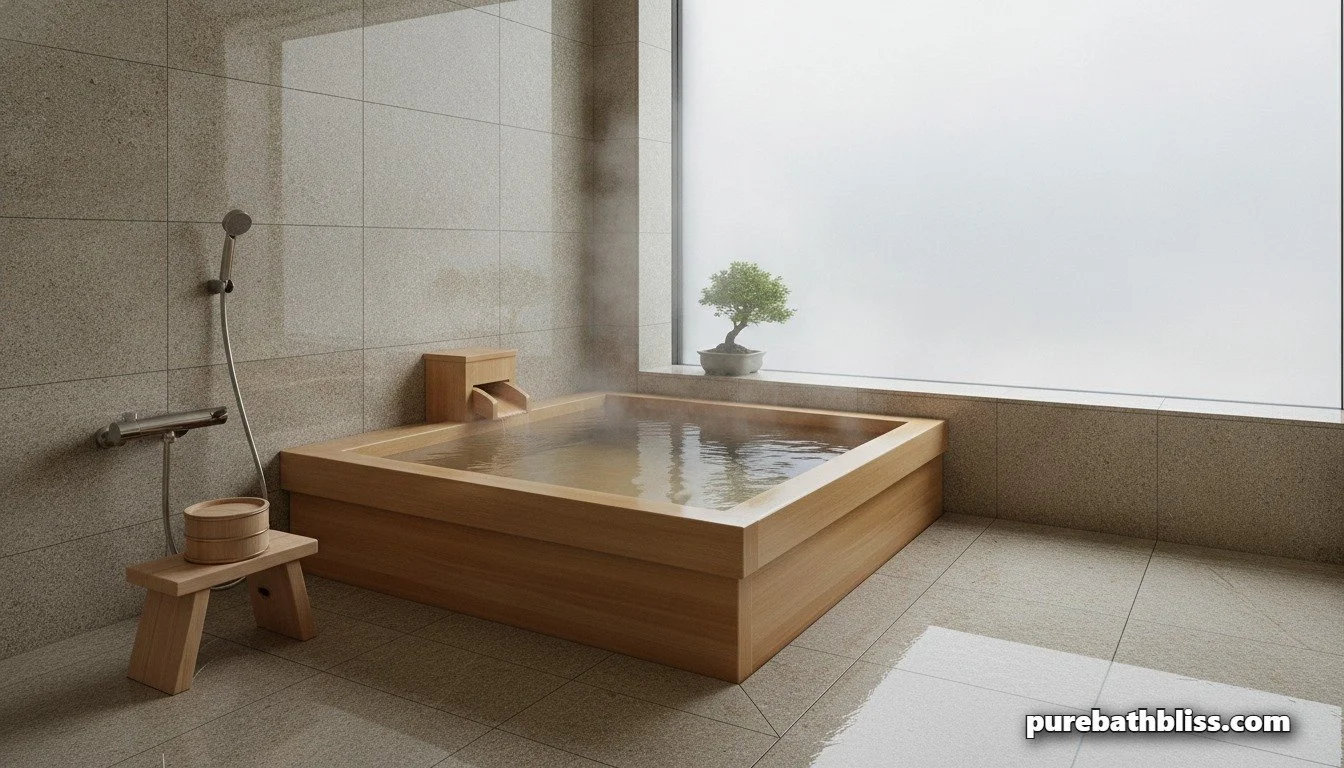
In Japan, you wash before you bathe. The shower is for cleaning. The bath is for something else entirely: a daily ritual of physical and mental recovery that the Japanese have been practicing for over a thousand years. The ofuro is not a luxury. It is a discipline, and the science behind it is remarkable. Here is how to bring it into your own bathroom.
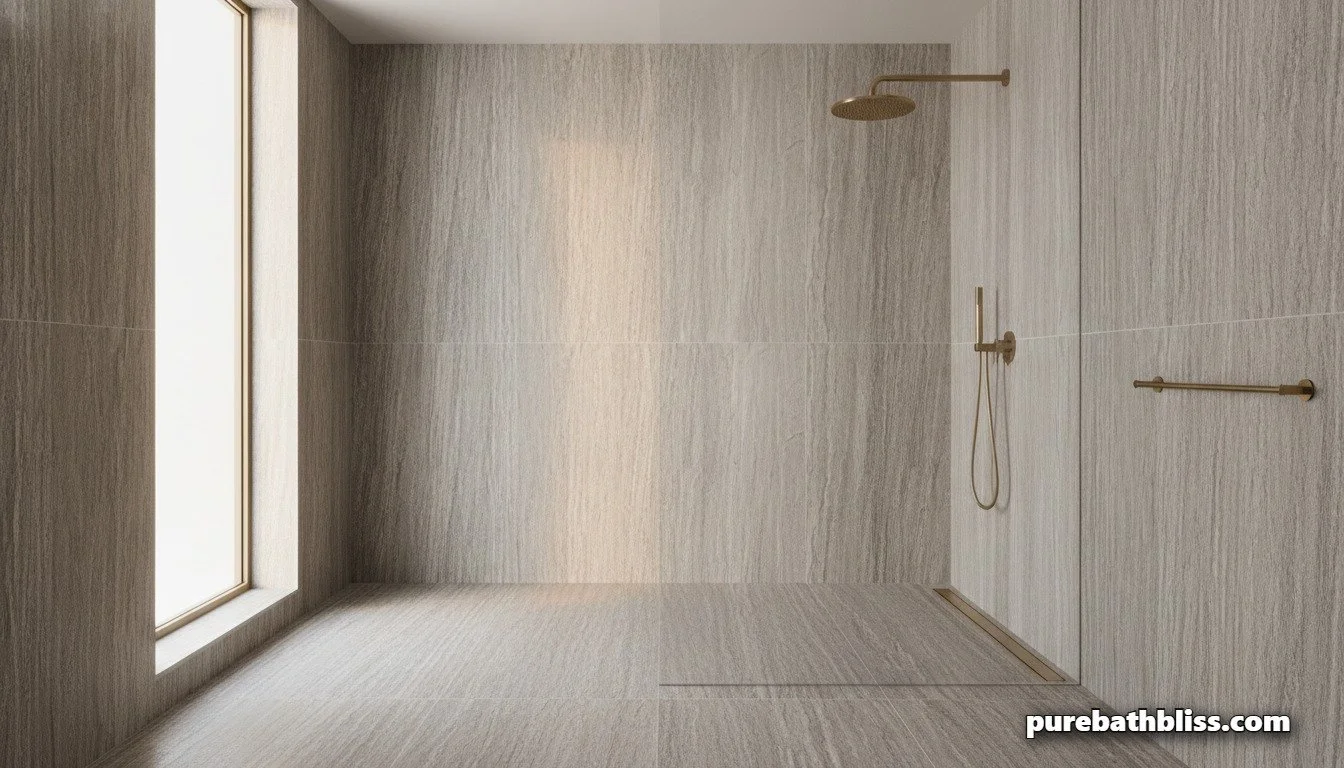
A curbless shower is not just a regular shower with one less edge. It is a complete re-engineering of how water is managed in your bathroom, and the margin for error is considerably smaller than most contractors will tell you. Here is the honest builder's guide to whether a wet room is right for your home, your budget, and your floor structure.
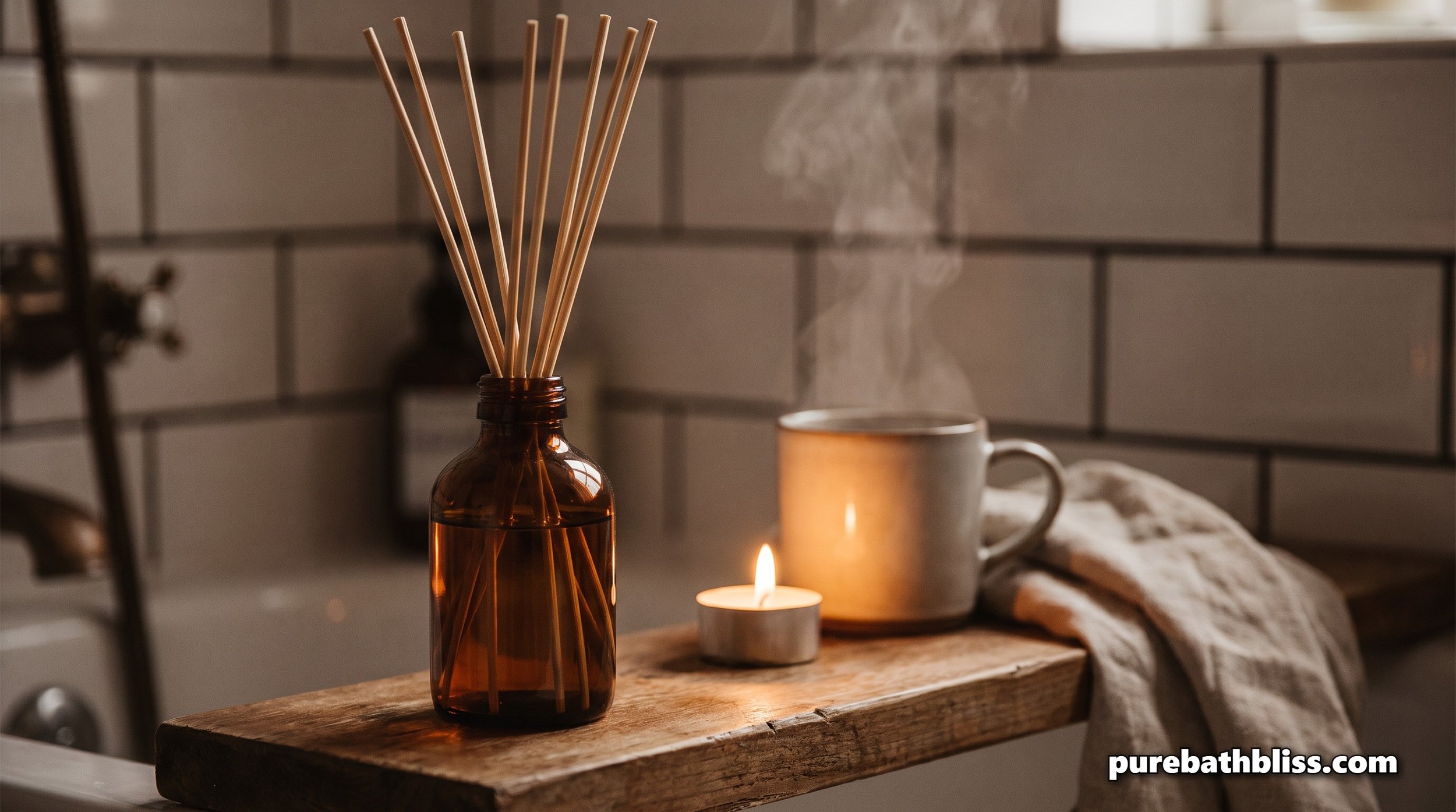
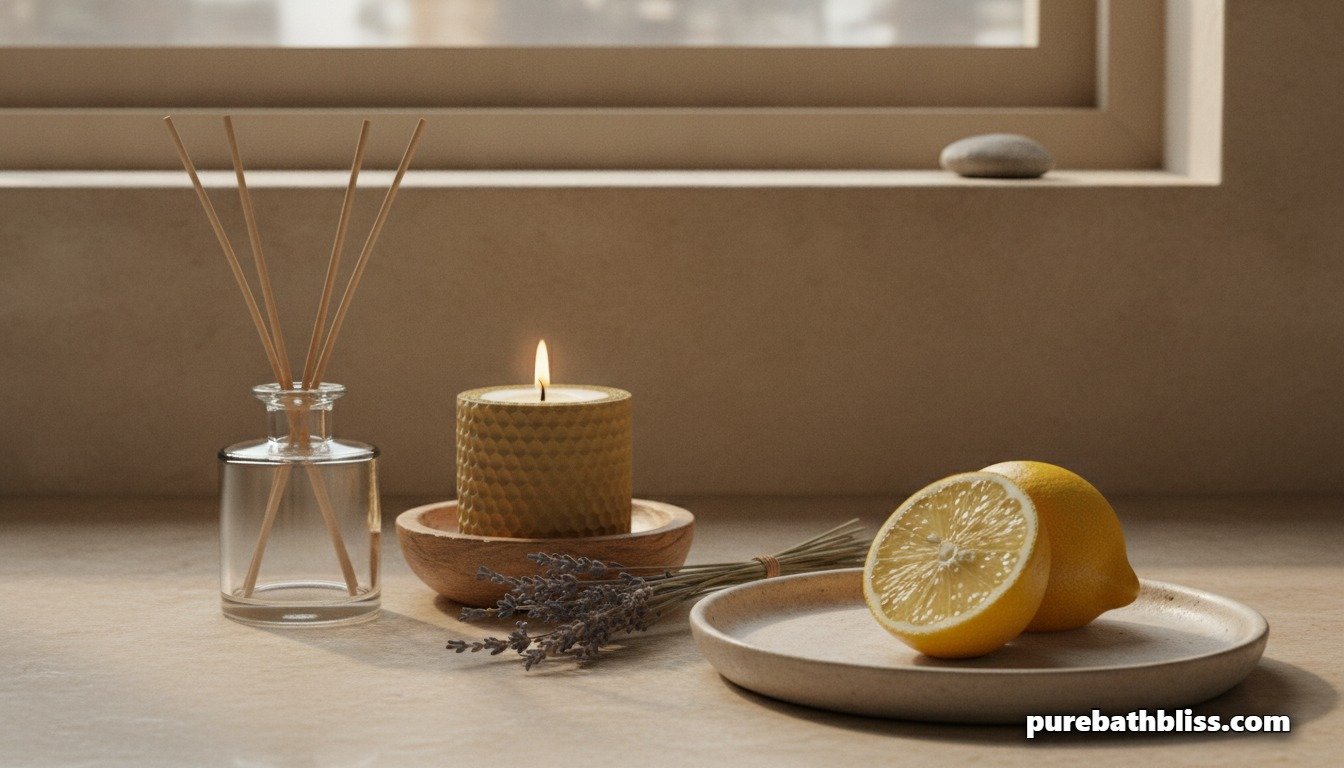
A bathroom that smells like a spa is not about buying an expensive plug-in or a scented candle from a big box store. It is about layering a few natural scent sources that work with the room's humidity and ventilation rather than against them. Here are eight methods that work, ranked from easiest to most involved.
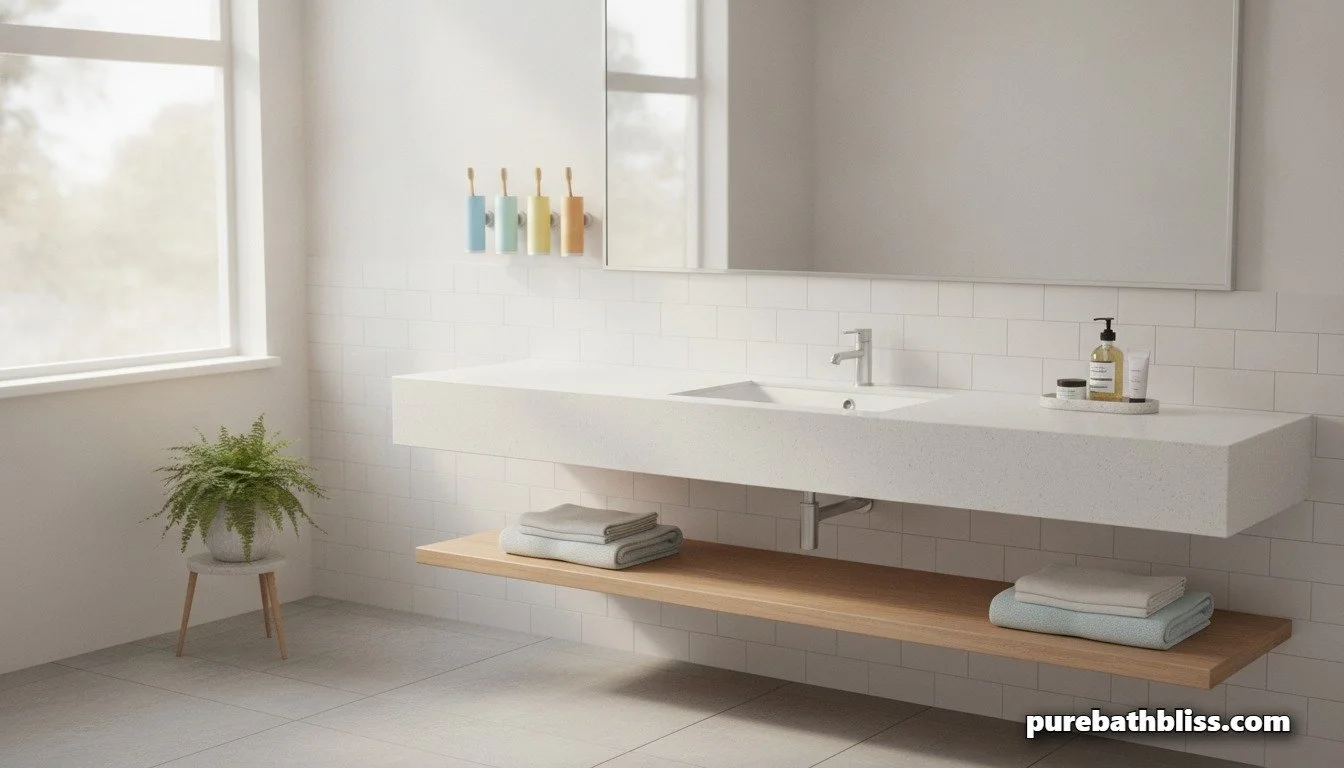
Every year, the week before school starts, I do a full reset of our bathrooms. Not just a clean, though that is part of it. A reset. We go through every product, every shelf, every drawer, and every habit that formed over summer and assess what is working, what needs to go, and what needs to change before the first school morning hits.
With four kids, a bathroom that works casually in summer does not necessarily survive the 7am school rush. The chaos of four people trying to use the same space in a forty-five minute window requires a different level of organisation than the looser summer routine. The products need to be in the right places. The supplies need to be stocked. The surfaces need to be genuinely clean, not just visually tidy. And everyone needs to know where everything is so the morning does not become a search party.
This is the reset I run every August. It takes about three hours across a weekend and pays off in calmer mornings for the next nine months. Here is the complete guide.
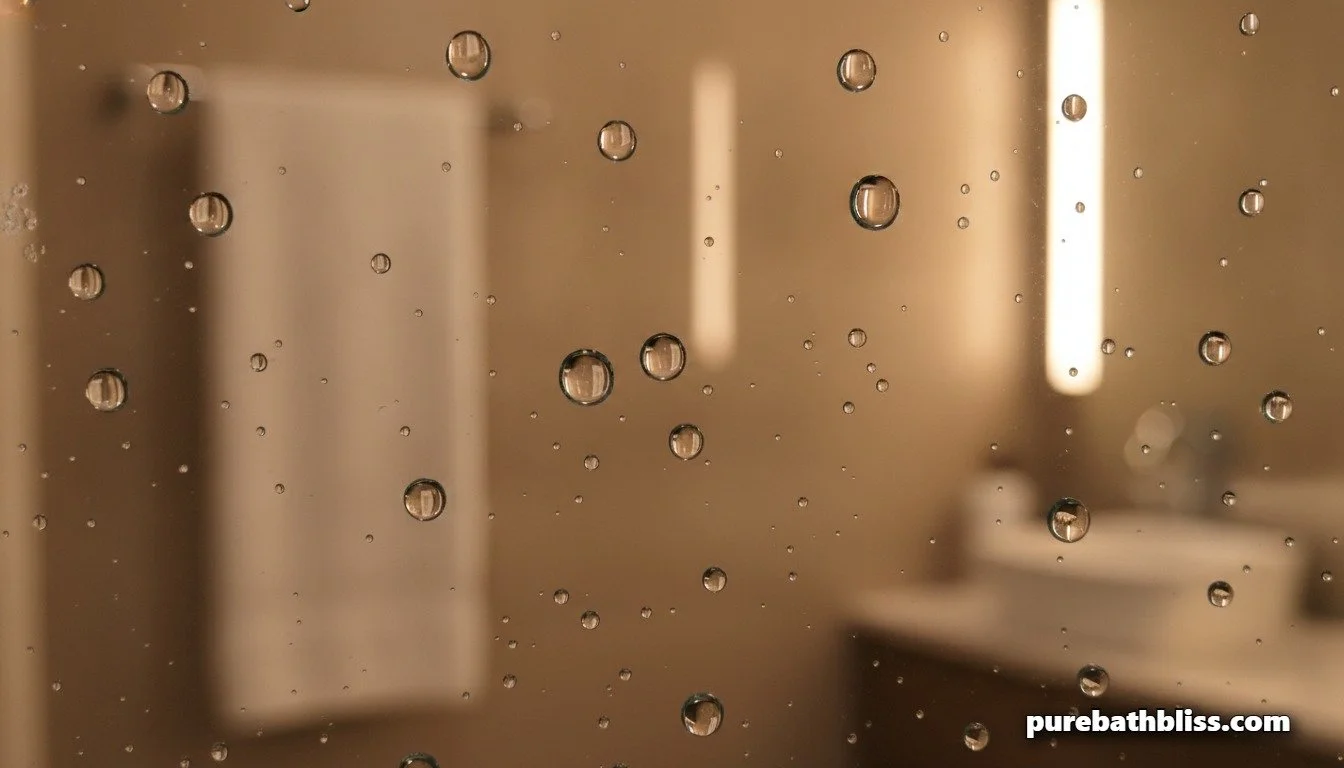
There is a product sitting in most garages and car washes that does something genuinely remarkable on glass. It creates an invisible molecular barrier that causes water droplets to bead up into tight spheres and roll straight off the surface, taking every mineral, every soap particle, and every contaminant with them. It was invented for car windshields. And it works better on shower glass than almost anything else the bathroom cleaning industry has ever produced.
I first came across this trick the way most people do these days, through a short video where someone sprays Rain-X on a cloudy shower door, buffs it off, then runs the shower and films the water literally cascading down the glass in sheets with nothing sticking. The comments were full of people saying they had been doing this for years and would never go back. I was skeptical. Then I tried it.
We have hard water here. Our shower glass has always been the bane of my bathroom cleaning routine, a surface that I could spend twenty minutes getting perfectly clear only to have it look filmed over and spotty again within two showers. After applying a hydrophobic coating, that problem has essentially gone away. I squeegee once after showering, and the glass is clear. When I skip the squeegee, the water beads and runs on its own. I re-apply roughly every three months, and the whole process takes about fifteen minutes.
Here is exactly how it works, which products are worth buying, and how to apply them correctly so the coating actually lasts.